Container unloading encompasses a range of specialised procedures — from full and less-than-container loads to temperature-controlled and heavy-lift operations — each requiring tailored methods and equipment to ensure safe, efficient, and compliant handling throughout the supply chain.
From FCL to Temperature-Controlled: Meeting Diverse Unloading Needs
Container unloading is not a one-size-fits-all process. The method used depends on multiple factors, including cargo type, container configuration, handling requirements, and site conditions. From full container loads (FCL) and less-than-container loads (LCL) to palletised, loose, oversized, or temperature-sensitive goods, each unloading scenario requires a specific approach to ensure safety, efficiency, and cargo integrity.
Understanding the different unloading types and the procedures associated with each is critical for minimising damage, reducing delays, and maintaining compliance with workplace safety standards. By applying the correct unloading method, supported by trained crews and appropriate equipment, logistics operators can streamline operations and avoid unnecessary costs such as demurrage, detention, and rehandling.
FCL & LCL Unloading
FCL (Full Container Load) Unloading:
FCL unloading involves handling containers that are fully loaded with products. Ensuring a smooth operation requires coordination and proper handling equipment.
LCL (Less Container Load) Unloading:
LCL presents a unique challenge as the container houses various products from different shippers. It requires meticulous organization and attention to detail.
Temperature-Controlled Containers
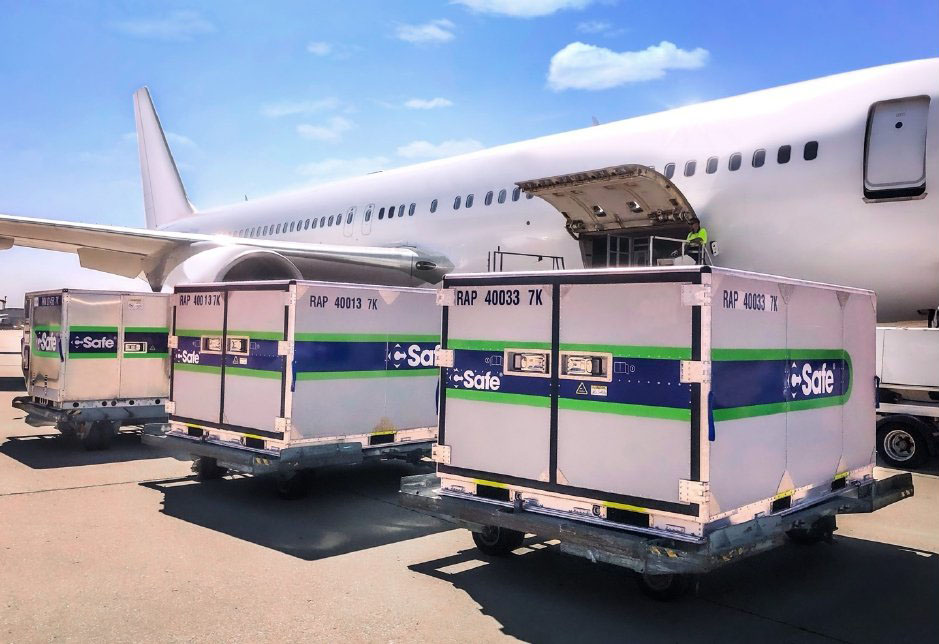
Transporting perishable goods demands temperature-controlled containers. The unloading of these requires specialized knowledge and equipment to maintain the temperature, ensuring that products remain fresh and in optimal condition.
Heavy-Lift & Port Procedures
Heavy-Lift Unloading:
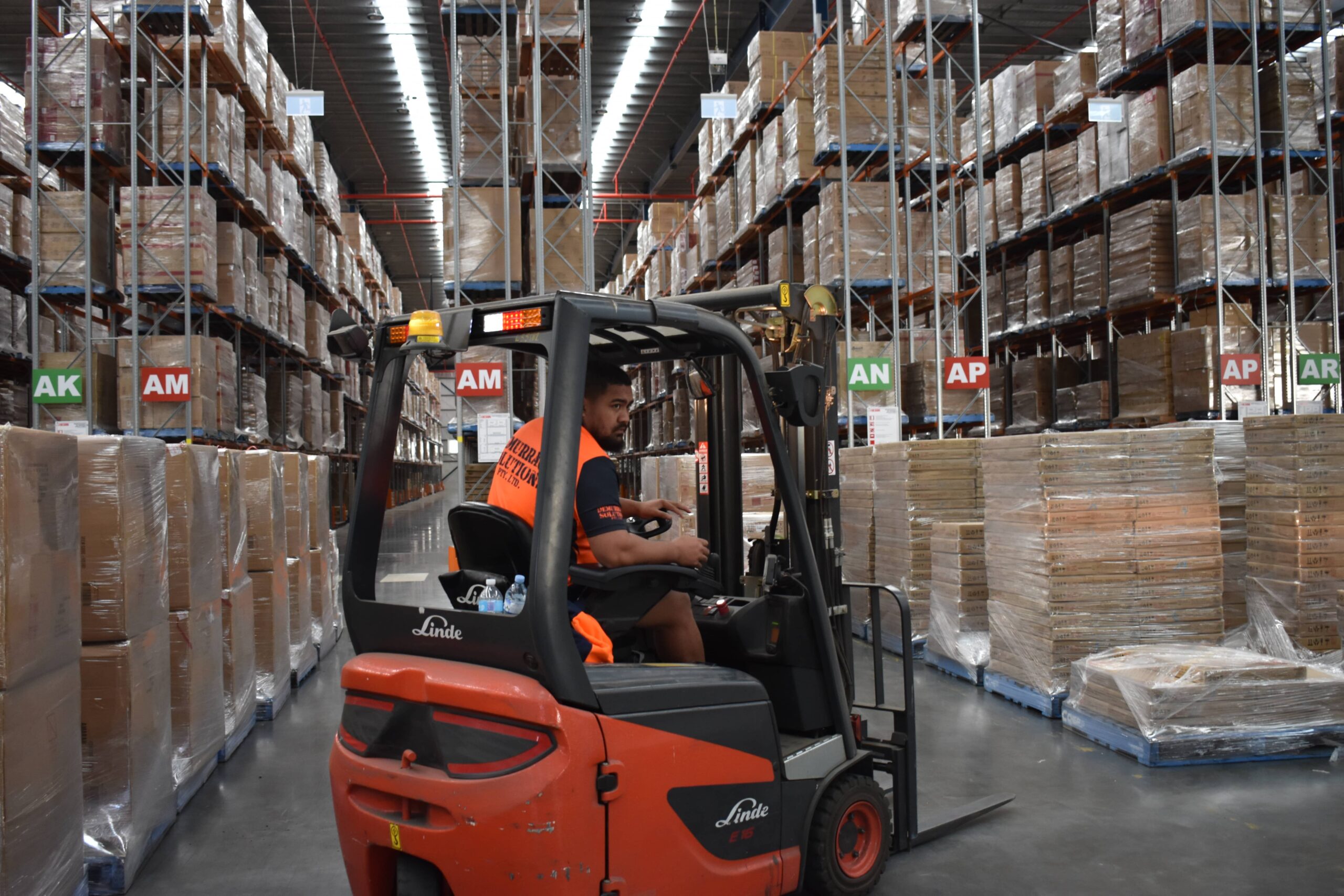
Heavy-lift container unloading necessitates specialized equipment and skilled professionals to handle the weight and size.
Port Procedures:
Port unloading follows specific protocols and safety guidelines. Knowing these procedures can reduce delays and increase throughput.
Best Practices
Implementing best practices in container unloading can create seamless workflows and reduce risks. Some of these include:
- Proper labeling and documentation
- Coordination between port staff and transport operators
- Regular equipment maintenance
Meeting Diverse Unloading Needs
The world of container unloading is multifaceted, with specific types and procedures that suit various shipping needs. Tailoring the approach based on these diverse requirements ensures that the unloading process is carried out efficiently, safely, and effectively.
Request a Call Back
Fill in the form below to speak to one of the team members from Demurrage Solutions
Or call us on 07 3273 4317